- Căcărești Natural Park – A real “delta between blocks”The Căcăreşti is a unique natural urban area, stretched on ~ 183 ha in southern Bucharest, which offers a Wild oasis in the middle of metropolis’ excitement. The area was born on the site of a former abandoned project by the artificial lake, being left to nature for decades – today, swamps, swamps and willows took over the huge basin, creating the ideal habitat for more than 150 species of birds, fish, small mammals and even water snakes. By walking down the paths of the Park of Căcăreşreşti, you can see graceful egrets, coasts and mallard ducks sliding down the gloss of water or even a fox lurking through the high grass – all with the silhouettes of the neighborhood blocks in the background, an amazing contrast. Recommended experience: climb into the observation plots arranged on the eastern pier – from there you can make birdwatching at will, as the urban guides recommend (in fact, regularly guided tours of ornithologists are organised for the public). “A huge pool of wild nature, become the perfect place for a green grass exit right next to the house.”, so describes a visitor to the Park of Căcareşreşti, highlighting his special charm. The fact that you are still in the city makes the visit very easy – access can be made from several parts (Savinesti Street, Union Spleen, etc.), and the entrance is free. The park also has a wooden bridge over part of the swamp, which carries you through the heart of lush vegetation (in the warm season, the reed grows taller than a man). At nightfall, frogs and crickets take over the sound background, and you can completely forget you’re in Bucharest. Essentially, the Watchman offers anyone the chance of a small urban adventure in nature, whether you want to photograph animals, jog in unique scenery or just take a break from concrete and inhale the smell of water and grass.
- Comana Natural Park – Just 30 km south of Bucharest (in Giurgiu County), Comana is the second largest natural park in the country of sojourn, sheltering what many call “Neajlovului Delta” – an ecosystem of swamps, pools and alluvial forests that reminds the Danube Delta, but on a smaller scale and much closer to the capital. The park covers 25,000 ha, including the Comana Forest (the rest of the old Codes of Vlăsia) and Balta Comana – a wetland of extraordinary biodiversity with fish 140 bird species (swans, herbs, shovels, cigarillos, egrets, small pelicans in migration, etc.) and rare species of plants and animals (here lives and Romanian peony in the Comana Bujori Reserve, and an endangered water turtle species). Recommended activity: o boat or kayak ride on the channels of Neajlovului – the park’s visiting centre offers this possibility, and by slipping on the waters you can see very close birds hidden in the reed (binoculars are a must), walnuts and turtles floating agal. Also, forest-marked hiking routes are perfect for a one-day trip: you can see secular oaks, trees with rich spontaneous flora and, with any luck, deer or wild boar that populates the depths of the forest. “The Balta Comana area has an impressive biodiversity, counting 141 bird species and 13 fish species – an underrated delta with special charm”Write down a travel log. For those eager for adventure, right next to the park there is also an amusement park (Comana Adventure) with thyrolians and trails in the trees, and Comana also offers rest options: Comana Monastery (16th-century voivodal foundation) is worth a visit for historical cargo, and the place Comana House provides rustic accommodation and delicious fisheries dishes. Whether you come for birdwatching, cyclotourism (there are bicycle paths) or a simple picnic on green grass, Comana Park offers you quiet and fresh air from plenty, just a stone’s throw from Bucharest.
- Lake and Snagov Forest – Located 35 km north of the capital, Snagov is a classic destination for Bucharest, combining the natural beauty of the most extensive lake around the city with the restful shadow of the surrounding oak and ash forests. Lake Snagov, 16 km long and part of a protected area, stands out through its relatively clean waters and remarkable biodiversity – is the natural habitat of blueberries (Nuphar lustea) and even an exotic species of pink nuff (brought into the former gardens of the palaces on the banks, now acclimatised). In the spring, quiet bays are covered with stretches of shades that float graciously, offering a visual show of story. Recommended activity: o row boat or kayak on the lake, early in the morning, when the water is like a mirror and you’re only accompanied by wild ducks and birds chirping on the shore. Water sports enthusiasts can also opt for a rowing session – not by chance the national lot often trains here, the lake being 600 ha perfect for this. In the middle of the lake, on an island, there is also Snagov Monastery (14th century), linked to the legend of Vlad Ttepeș, where you can reach by boat for a mysterious visit. The Snagov Forest that surrounds the lake (in fact fragments of the old Vlassia Forest) is also protected area – at Snagov Garden is found a reservation of Poultry and trails can be followed through green tunnels of vegetation, excellent for light hiking or mountain biking. “Lake Snagov is a serene place of natural beauty, known for its landscapes and the possibility of practicing water sports, all combined with intriguing legends.”, notes a guide of the area, thus also reminiscent of the mystical air that lies (some local legends talk about treasures hidden by Vlad Dracul at the bottom of the lake). After exploring, you can relax at one of the terraces on the shore – for example, at the Complex Snagov Club or Electrical Base (a leisure park with public pontoon, sports grounds and picnic places), enjoying a fresh fish lunch. The Snagov therefore remains a green-blue escape two steps from the city, where nature and culture are harmoniously intertwined.
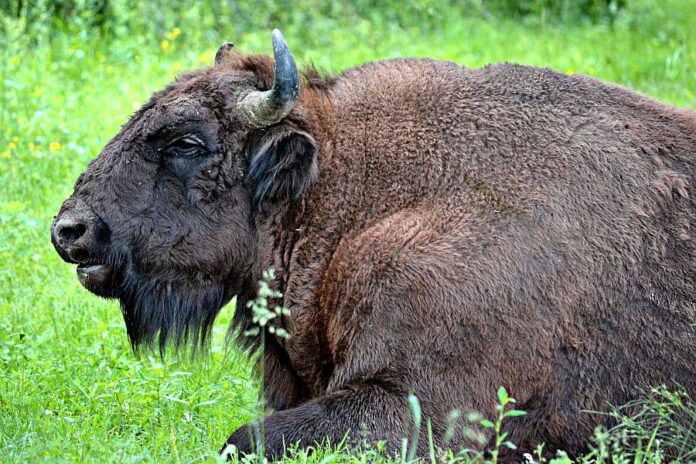
- Black Zimbabwe (Bucșani) – At ~ 80 km north-west of Bucharest, hidden deep in the forests of Bucșani (Dâmbovița County), is the “Black” Zimbri Reservation, a place where you can admire The majestic Zimbri in their natural environment. Expanded on ~ 162 hectares of oak and carpen forest, fenced and protected, the ensembles currently host several dozen zimbras (Bison bonasus), once extinct from Romania’s wildlife and successfully reintroduced. A visit to the Black Zimbrăria is like a journey in time: the forest road to the observatory crosses a wild habitat with fresh air and deep tranquility, then, from a specially arranged gazebo, you can see the zimbrii coming agal to nourishing or rolling in the shade of trees – impressive images through the strength and calm of these ancient animals. “Just 80 km from Bucharest… the reservation stretches on 162 ha of forest, where besides quiet and fresh air, children (and not only) can enjoy to see dozens of zimbri”A travel article is excited, recommending the place as a special destination for families. Recommended activity: plan the visit around feeding time (generally in the morning), when the zimbers are closest to the fence and can be observed in group – it is the perfect time for photographs. Also, don’t forget to explore a little, and the surrounding forest: there are marked short trails, and in the spring, the streaks are formed with cannonballs and branches, while the autumn color palette of the foliage is superb. The reservation also has a small information centre where you can find out about the conservation efforts of the zavarca in Romania (Black Zimbrăria started in 1983 with only 18 copies from other countries, and today, thanks to it, the zimbrii have spread to other protected areas of the country). Visiting conditions are rustic but accessible: a high wooden platform provides the perspective and entry involves a modicum fee to support the reservation. Once you’ve looked into your eyes a massive zimbria, just a few meters away, feeling like the weight of history and the wilderness of pure nature, you’ll understand why Black Zimbria is the right place absolutely seen for once.
- Cernica Forest and Cernica Lake – In the immediate vicinity of Bucharest (at the eastern border, ~ 15 km from the centre), Cernica Forest represents favorite green corner of Bucharest for walks and picnicsproviding a generous natural framework for both relaxation, adventure and even spirituality. Expanded on about 960 ha, the secular forest of Cernica is broken down by numerous paths that shroud between oak trees and pine trees, connecting various points of interest: the recreation area near the village of Cernica, the quiet shores of the lake and the Cernica Monastery (old fortress of 1608) that sits on an island in the middle of the lake. Recommended activity: a trek or bike of ~ 10 km surrounding the lake – you will pass over wooden floors, in addition to the steeples where geese and mallard ducks nest, and through ideal lights for rest. A stop at the Cernica Monastery (one can cross a bridge to the island) offers you a few moments of silence in the flowery courtyard of the settlement and perhaps a visit to the tomb of Prior Gheorghe (known Orthodox saint). Close by, for those eager for adrenaline, are Extreme Park Cernica – an adventure park with thyrolians among trees, suspended trails and even a small farm of animals, highly appreciated by families. “Cernica Forest is a green place, perfect to go out for the weekend near Bucharest”, recommends a local guide, mentioning the fresh air and the multitude of leisure options. There are also several pontoons and terraces on the shore of Lake Cernica, as well as Phoenix Complex or Casa CernicaWhere you can have lunch with a view of the water, with children with playgrounds available. The lake itself is quite large (~ 360 ha) and populated with fish, so fishermen are a constant presence on its shores (with the rods pointed at the pike, bass or carp). In the season, the area is also attended by barbecue enthusiasts – there is a special place for picnic, protected from forest safety. Regardless of the season, Cernica offers the capital a “green lung” always welcoming: spring the spotted tulips and violas decorate the meadows, summer the dense foliage shelters the heat, autumn the colors of the rust reflected in the lake are a visual spectacle, and in winter, if it snows, the forest becomes a fairy tale land at an hour’s notice
This article is an English translation and adaptation of the original Romanian article on Lista Scurtă. Read the Romanian version.

