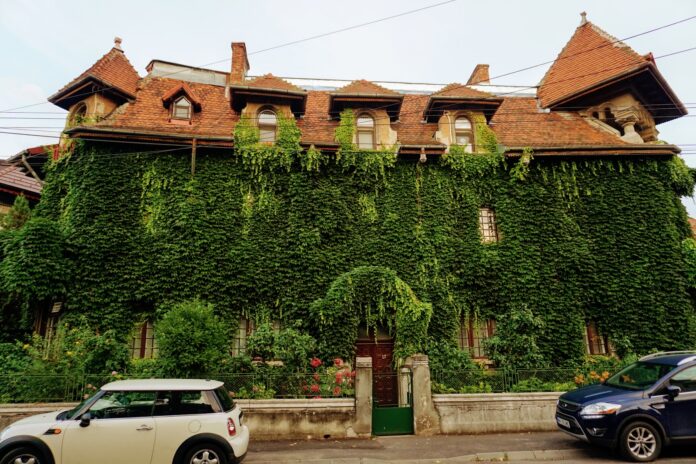
1. Cotroceni – A residential area full of old charm, often called Bohemian soul of Bucharest. The streets of Cotrocene are bounded by Coquette boxes, with gardens full of roses, and curled around the hill around the Cotroceni Palace. The neighborhood abounds in lime and chestnuts, and the quiet on the shady alleys is only disturbed by the steps of the medical students or the laughter of the children. You will find teahouses hidden in the courts, small handicraft workshops and very few blocks – The Cotrocene has kept its atmosphere small town since 1900. At the end of each street is revealed either the imposing silhouette of the Presidential Palace (Brancovenesque style) or the green stretch of the Botanical Garden. To explore: Doctor Lister Street (famous for the glycine that dresses the houses in spring) and Rome Street, for the aristocratic villas with neo- Romanian architecture. From reviews: “Cotroceni is the charm of ancient Bucharest – the Bohemian teahouses, quiet streets with ivy-covered villas, an imposing palace and the air as it used to be”.
2. Spring – Dorobanti – Essentially, classic luxury of elites Joy. Imagine a neighborhood with shady and quiet streets, bounded by imposing villas hidden behind high ivy fences – this is Spring. Built in the 1950s – 1960s as a residential area for communist dignitaries, the Spring district delights today through its elegant and discreet atmosphere: large avenues (Mircea Eliade, Aviatorilor) surrounded by old trees and modernist mansions with perfect gardens. The Dorobenti district (parcelate at 1900) brings a plus of life: small markets with luxury cafes, boutiques and fine pastries attended by locals. To explore: Ion Mincu Street and adjacent alleys – splendid villas in Neo-Roman style and art-deco; Bordei Park and the edge of Lake Floreasca, for a relaxing walk among exclusive residences. From reviews: “The District of Spring is the quiet luxury – sumptuous villas on green streets and an atmosphere of timeless elegance”. Today’s royal couples (ambassadors, businessmen) populate the area, but visitors can enjoy their architecture and parks at the pace.
3. The Armenian Quarter – Mantuleasa – Two ancient historical slums in the central-east, ideal for Romantic walks in the past. The narrow streets bear the names of guild (Furry, Shelar, etc.) and hide houses from the La Belle Époque period, some restored, others with scented plaster – but all with an authentic charm. The Armenian district, bounded by Carol I Street and Maria Rosetti Street, houses the Armenian Church and a series of buildings with unique Armenian influences and moors in the city. Continuing towards Mantuleasa (street area of the same name, famous from the short stories of Mircea Eliade), you will discover a labyrinth of quiet streets, with fine architectural jewels of siècle, maure elements and art-nouveau Take all the steps. The atmosphere is secure, as if you were in a small small town: here and there an old grocery store, an antique shop or a cafe hidden in a yard with ivy. To explore: Armenian Street (for hidden palaces and rich decorative details) and Mantuleasa Street (for the literary vibe and houses with old verandas). From reviews: “A walk through the Armenian district and the Mantuleasa area carries you into another age – small architectural jewels at every corner, a calm atmosphere, away from the modern tumult”.
4. Old Center (Lipscani) – The historic heart of the city, ideal to explore in step to feel the pulse of Bucharest yesterday and today. The entire Lipscani district is pedestrian, with paved streets that shroud among 19th-century buildings – former grocer, inn and craft workshops, today transformed into bars, vintage shops and galleries. Animated Night Life is intertwined with historical vestiges: Manuc’s Inn, the ruins of the Old Court, Stavropoleos Church (a chewery) – all within minutes of each other. The contrast between old facades, some scrawny, and modern venues full of music is surprising and characteristic for this always crowded and lively neighborhood. To explore: Lipscani Street capo-tail (from CEC to St. George’s Square) to see the mix of historical buildings and modern street arts; Covaci Street for traditional restaurants; The Macca-Vilacrosse overpass with Belle Époque architecture and its famous Oriental cafes. From reviews: “The old neighborhood is known for partying, nightlife and is always full of energy. The symbiosis of crumpled buildings with modern restaurants and shops is surprising”. In other words, the Old Center offers a complete urban experience – history at all stages, but also contemporary fun.
5. Parcel Ioanid (Icon Garden – Ioanid) – A small aristocratic neighborhood hidden between large boulevards (Dacia and Magheru), ideal for a quiet walk between villas and gardens. Developed at the beginning of the 20th century on the former gardens of the boyar Ioanid, the neighborhood has short and curved streets (Alecu Russo, Ion Movilă, Arthur Verona the Eastern side) bounded by elegant residences in neo-classical and Neo-oromane style. Ion Voicu Park (Ioanid)A small park with lake and statues is a real romantic oasis – surrounded by beautiful buildings such as the Central School of Girls (historical monument) and numerous embassies. The atmosphere in the area is very calm and select: there are almost no stores or heavy traffic, just scrunchy steps of passers and bird trills. To explore: Red Dumbrava Street – probably the most beautiful street of the neighborhood, with varied architecture (houses with towers, gothic windows, oriental mosaics); also stop at the Melik House (Theodor Pallady Museum) on the 22, the oldest house in Bucharest, hidden two steps from Ioanid Park – a real hiding place full of art. From reviews: Visitors call the Ioanid area “paradise of the boyar gardens and villas” – a corner of Bucharest that has kept its nobility and where each building has a story worthy of discovery.
This article is an English translation and adaptation of the original Romanian article on Lista Scurtă. Read the Romanian version.

