1. Peleș Castle (Sinaia) – The summer residence of the kings of Romania, Peleș Castle is often considered the most beautiful castle in Romania and one of the most spectacular in Europe. Located 120 km from Bucharest (approx. 2 hours on DN1), Peleșul impresses with its German neo-Renaissance architecture and sumptuous decorations. The interior tour (guided, 45–60 min) takes you through the story halls: the Hall of Honor made of carved walnut wood, the Sala Armurilor (the collection of over 4,000 medieval armor and weapons), the Theatrical Hall of Queen Elizabeth or the royal apartments richly decorated with stained glass windows, tapestries and unique furniture. Every room tells a story – for example, you’ll see the first central heating system in Europe (operational in 1883!) and electrically operated movable glass ceilings. The price of the full ticket is 100 lei/adult (reduced for students/pensioners) and worth every penny, considering the uniqueness of the experience. Don’t miss the Pelișor Castle, located next door in the same area, smaller but charming, decorated in Art Nouveau style – here you can see the famous Golden Bedroom of Queen Maria. The surroundings of the castle are also dreamlike: paths through the park with statues and fountains, panoramic terraces towards the Bucegi Mountains. Visitors are invariably delighted: “An architectural gem in a fairytale setting – Pelesul is unforgettable” says a recent review. As a national museum, the castle has opening hours from Tuesday to Sunday (closed on Mondays), so plan your trip accordingly. Peleșul is the top destination near Bucharest for lovers of history, art and nature alike.
2. Palatul Mogoșoaia – Only 15 km from Bucharest, in the middle of a park with a lake, is the elegant Palat Brâncovenesc de la Mogoșoaia – an ideal destination for a weekend afternoon. Built in 1702 by voivode Constantin Brâncoveanu, the palace combines the Romanian Brâncovean style with Venetian Renaissance elements, offering a unique architecture. The red brick facade, arched loggia with carved stone columns and decorative battlements give it the air of a small oriental castle. The court of honor is guarded by the gate tower and the cuhnea (royal kitchen) – this is where the carriages of the boyars used to pass. Inside (accessible with a ~15 lei ticket), you can visit the restored rooms that today house the Brâncoveanu Art Museum: you will see icons, pieces of furniture, carved doors and even objects that belonged to the Brâncoveanu family. A special feature: the vegetable and geometric-oriental motif of the decorations – for example the balustrade of the inner staircase and the stone door frames are real lacework in stone. The palace park, with alleys shaded by old linden trees, invites you to take a walk – you will often meet on the lawns families having a picnic or children playing, as the grounds have become a favorite place of relaxation for the citizens of Bucharest. On the shore of Lake Mogoșoaia there is also the garden gazebo and the old greenhouses, and the view of the calm water completes the charm of the place. The palace frequently hosts cultural events (concerts, fairs, exhibitions), so it is possible to catch something interesting during your visit. Many tourists say that Mogoșoaia is “an oasis of tranquility and history a stone’s throw from the city”. Don’t forget your camera: the sunset over the palace, reflected in the lake, offers wonderful shots.
3. Cantacuzino Castle (Bușteni) – Perched on a plateau at the foot of the Bucegi Mountains, Cantacuzino Castle in Bușteni takes your breath away both with the panorama it offers and with its aristocratic elegance. Built in 1911 by Prince Gheorghe Grigore Cantacuzino (“Nababul”), the castle impresses with its neo-Romanian style with French influences: stone arches and columns, coats of arms of the noble families in stained glass, painted ceilings and hand-tiled stoves. The interior, which can be visited with a guide (ticket 40 lei), preserves the heraldic gallery – a unique room in Romania, with frescoes representing the family tree of the Cantacuzini (dozens of coats of arms and portraits, a real history course on the walls). You’ll also admire the Carrara marble staircase, carved fireplaces and beamed ceilings. The castle also acts as a modern art gallery – it regularly hosts exhibitions and even a small horse museum (in the restored old stables). The castle garden is a favorite among visitors: its terraces descend to an artesian fountain and a small park with waterfalls; from here, the view of the Caraiman massif and the Heroes’ Cross is superb, especially on a clear day. The castle also has an elegant restaurant, so you can enjoy a “noble” lunch on the terrace, in the fresh air, with the castle on one side and the mountain on the other. Children enjoy the ponies and horses at the estate’s mini-stud, where short horse rides can be organised. A tip: try the road from Bușteni on foot (about 20 minutes of easy ascent) – as you get closer, the castle slowly reveals itself between the fir trees, like in a story. Visitors praise the excellent condition of the monument and the park: “Everything is very well-kept, and the panorama of the Transylvanian Alps (Bucegi Mountains) from the domain is a dream”. Cantacuzino Castle is therefore an ideal mix of nature and architecture – an “instagrammable” objective and also a history lesson of the Romanian aristocracy.
4. Domaine Știrbey (Palatul Știrbey, Buftea) – About 20 km northwest of Bucharest (Buftea), Domaine Știrbey offers a foray into the extravagant life of the 19th century aristocracy, in a charming natural setting. Former residence of Prince Barbu Știrbei, the estate includes a 30ha English park, with a lake, forest and several historical buildings: Știrbey Palace (built in 1864 in neo-Gothic-Tudor style, resembling a small castle), Family Chapel (neo-Gothic, designed by the Danish architect Hansen) and a unique Water Tower (tall, made of stone, designed by Anghel Saligny). The palace itself is a fortified tower at the base, with underground escape tunnels – Barbu Știrbei provided two secret tunnels for emergencies! Later, the building was expanded with floors and decorated in the English romantic style (tourists compare the palace with a small Scottish castle due to the turrets and crenellations). The estate is today an events hub, so the inside of the palace is only visited on special occasions or events (weddings, exhibitions), but it’s still worth admiring from the outside and visiting the chapel (open to the public, free entry). The main attraction remains the park: the paths take you past centuries-old oaks and along the Buftea lake. There is also a very popular restaurant-terrace on the estate, where it is recommended to make a reservation on the weekend – it is said that nowhere else does the fish soup taste better than served here, “at the palace”. For activities, you can rent bicycles or simply walk, possibly visiting the former princely stables or the princely cellars (today event spaces). The domain also has stories to tell: it is said that here, at the palace, in 1959 the agreement on the withdrawal of Soviet troops from Romania was signed, the Russian leader Khrushchev being hosted right in the Știrbey Palace during the discussions. Also, the writer Sadoveanu used to come fishing on the lake here, being inspired by the beauty of the place. In conclusion, Domaine Știrbey is a place where history intertwines with relaxation: you can discover fragments of the life of the old nobility, while also enjoying a green getaway, close to Bucharest.
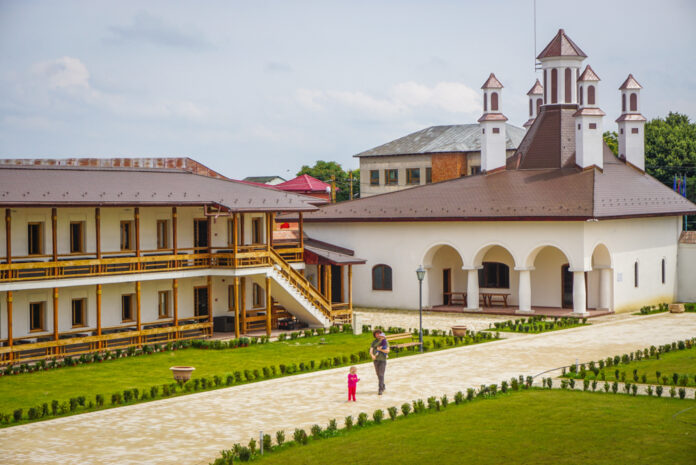
5. Brâncovenesc Palace from Potlogi – Halfway between Bucharest and Târgoviște (in Potlogi commune, Dâmbovița county, 50 km from the capital) there is a lesser-known royal palace, but full of charm and historical significance: the palace that Constantin Brâncoveanu built in 1698 for his eldest son. Recently completely restored with European funds, the Potlogi ensemble from Brancove offers visitors an authentic image of the architecture and court life of the 17th century. The palace courtyard, with enclosure walls and massive wooden gates, preserves the original configuration – you will see the ruins of the old annexes (the royal kitchen, the servants’ houses) and the palace garden, guarded by the bank of the former royal palace. The palace itself, of a more modest size compared to Mogoșoaia, has all the elements of the Brancovenese style: the entrance porch, with richly carved stone columns (the famous “Brâncovenese lace”), the monumental external staircase, the windows with decorative frames and the vaulted cellar below. Inside, the rooms are set up like a museum: noble costumes, copies of royal charters, pieces of furniture and household objects bring the atmosphere of the era back to life. A dedicated guide will tell you about the lavish parties held here and the tragic fate of the Brâncovens. The price of visiting is modest – 10 lei/adult (with guide included), and children and students have a discount or free of charge. Many visitors are pleasantly surprised by this place: “The newly restored Potlogi Palace looks great – like a smaller and quieter Mogoșoaie. A history lesson you can touch”. In fact, the Potlogi palace was designed by Brâncoveanu as a set of four palaces (one for each son) – being the first and only preserved, it has a special value as a landmark of mountain residential architecture. After the visit, you can take a walk through the village of Potlogi, where you can feel the quiet rural atmosphere – a refreshing contrast to the hustle and bustle of Bucharest. For lovers of history and traditional architecture, the Potlogi Palace is a unique and authentic destination that should not be missed.
This article is an English translation and adaptation of the original Romanian article on Lista Scurtă. Read the Romanian version.

